A lawyer’s reading
The rules on the secure use of face recognition draw a legal line for marathons. Organizers may not make a face the only way to check in. An identity-card lane, or another alternative, must stay open. Consent has to be separate: a standalone form that limits the face data to event checks, sets a storage period (30 days after the race is a sound default), and states the penalty for wider use. Bundled consent is not allowed.
Selling a runner’s likeness without permission breaks Civil Code article 1019 and the purpose limit in article 4 of the rules. Commercial photo sales need a second consent. Bib-collection data stays encrypted on site. Course photos are stripped of identifying detail before they go to the cloud.
The point is a balance of rights. Speed does not outrank dignity. A separate consent form, plus a technical wall around the data, is how runners keep a say over their own faces.
* Civil Code article 1019: no one may harm another person’s likeness by distortion, defacement or forgery with information technology. Without consent, a likeness may not be made, used or published, except where the law says otherwise.
Shaanxi Hongye Law Firm
Meng Fanzhen
In March 2025 the Cyberspace Administration of China and the Ministry of Public Security issued the rules on the secure use of face recognition. They took effect on 1 June.The aim is to contain casual face scans and protect personal information.
Marathons adopted it quickly. The 2017 Baibin 100 in Shenzhen was an early sports check of person against identity card. By the 2023 Guangzhou Marathon, face recognition was treated as standard kit.
Faster operations

It did speed up event operations.
Bib collection is the obvious case. Manual identity checks created long queues. Face recognition shortened them.
At one 2024 event, AI face recognition cut bib collection to about 20 seconds:“live binding of the entry, then a face check in about a second”. The old paper lookup was gone.
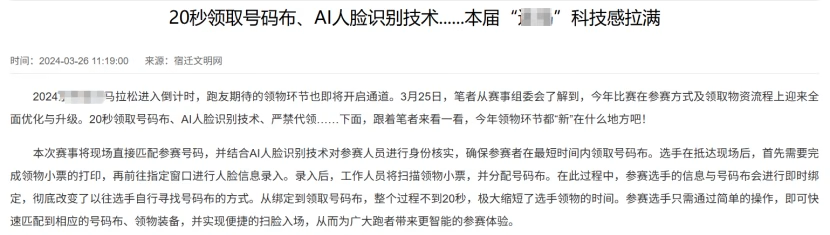
Figure 1. Report on live binding and a one-second face check
In 2023 one event let runners enter without showing a document. Temperature and identity were checked together, andthroughput rose by 300%.
At events that used the system, runners’领物效率平均提升30% – 50%. A job that took hours was finished by most runners within half an hour.
“Fewer stand-ins”
At check-in it also mattered.
In 2018 one event added“face recognition plus a race wristband”and said it stopped more than a hundred people collecting a bib for someone else. A 2019 test flagged 6 unregistered people in a group of 100. By 2023, events were using it against stand-ins and, in reported cases, lifetime bans.
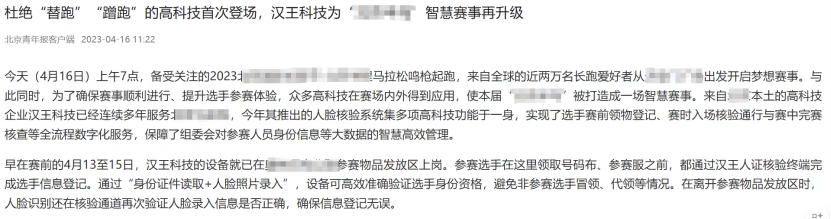
Figure 2. Report on face recognition against stand-ins and bandit runners
Manual checks were slow and weak against stand-ins. A face check is faster and harder to spoof.

Before the national rules, each marathon used faces differently, and runners’ privacy and right to know suffered. Three problems kept showing up.
“Bib collection with no other choice”
Some events made a face the only identity check.A rough count put 20% to 30% of events in that position: no face, no bib.
“Consent that was hard to find”
On some entry forms,the face-data clauses were buried. Runners had to click and scroll to find them, and the wording was hard to read.
Some bundled face consent with a pile of other terms andgave no separate yes or no. Others offered avague promiseto “delete it after the race”, with no storage period.
“Course photos and privacy”
Some photo sites made runners scan a face to see their pictures, and pushed paid packages during the check.Some platforms sold or advertised with those photos without a clear consent, which harms the right to one’s likeness.
In one 2025 case the iYunDong platform uploaded 550,000 runner photos without permission. Twenty yuan bought anyone else’s picture, and video packs were sold too. Several organizing committees had already asked the platform, in public, to stop.
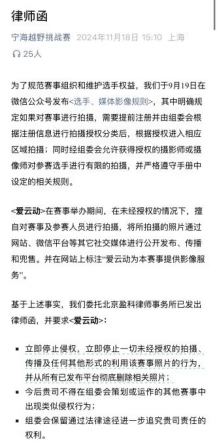
Figure 3. Organizing committees publish lawyer’s letters
Some events claimed copyright in photos that should belong to the runner, then charged the runner to download them. In 2023 an AI system built course videos while the terms said the committee owned the images.
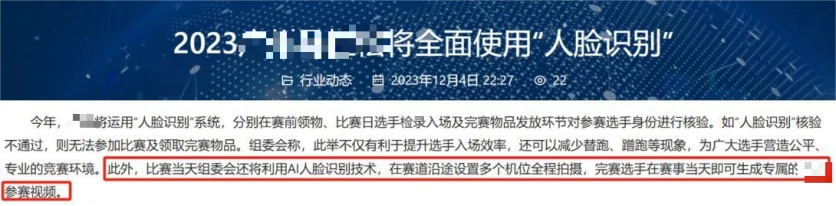
Figure 4. A notice that the committee owns the images
Articles 5, 6 and 8 of the rules answer this. People must be told, clearly and in full, before a face is processed. Consent must be separate, informed and voluntary. Storage may last only as long as the purpose requires. Those articlesset outreasonable rules, and a basis for later events.

The rules draw a safety line. Four mechanisms do the work.
First, “not the only method”.The rule requires eventorganizersto offer another way to be checked, for example a staffed desk for people who cannot be photographed, or a chip check.
Second,people are told in the open.A popup or similar must state the storage period, such as deletion 30 days after the race. Shanghai’s review also required a separate “face consent” choice.
Third,face data is kept apart.It may not travel over the public internet. Bib-collection terminals store it locally. Course photos are de-identified before they go to the cloud.
Fourth,oversight scales with the data.An event that processes more than 100,000 facesmust file at provincial level. Chongqing put this under a biometrics review and issued the first penalty.
The rules push face recognition from“a tool for speed” toward “a tool that stays inside the rules”. Chongqing’s finish-line “tired lane” and Berlin’s de-identified photo cloud show where the line is being drawn.

Respect for runners is a practice: no buried clauses, no misleading screens.The entry page should say face recognition is optional. The consent form should show when the data will be deleted. Each face keeps the right to refuse. Organizers who give up a little speed protect a right that matters more than a medal.
A timing service should end by putting the right back with the person. The rules set a red line for organizers and a shared view for the trade:
A smart marathon is not a camera barrier. It is a face that can use the technology and can still say no.